
Solutions
Our
Technologies

SI-COMP

SAS-HID
MODA

USM

SMET
Subsea Observatory
SMEES
RRMS
SI-COMP
SI-COMP was developed by NAVCON in conjunction with PETROBRAS to enable interfacing between valves in the well and the control system located on the platform. With SI-COMP, part of the existing structure can be reused, in this case, the umbilical cable.
SI-COMP can be divided into three main components:
-
SCS - located on the surface
-
SCM-COMP - located on the Christmas tree
-
WCT Interface - SCM-COMP functionality validation tool
SCM-COMP
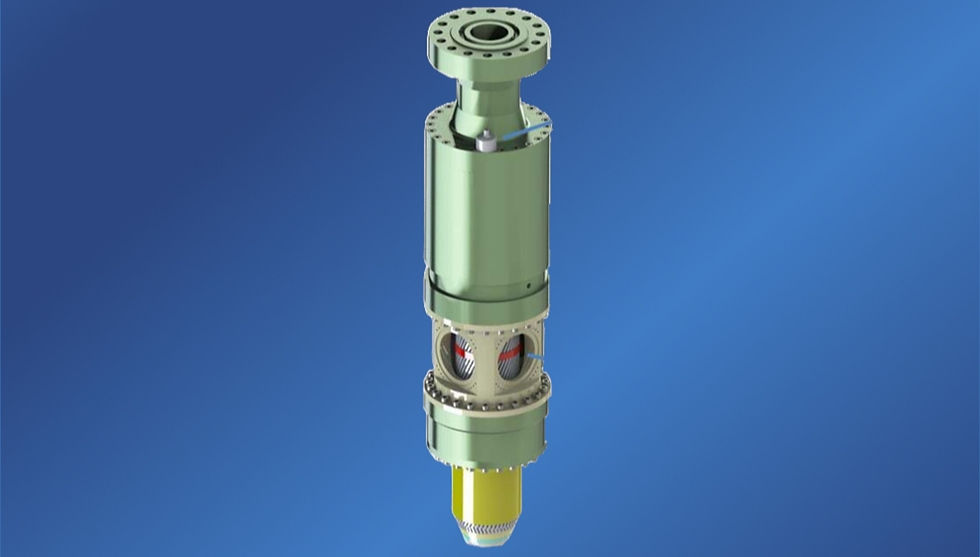
The SCM-COMP is a subsea module designed to control and actuate seabed valves, ensuring safe and reliable operations. Built for offshore conditions, it maintains continuous communication with surface systems, providing precise control, stable performance, and full integration with the subsea environment

SCS
The SCS is a system installed on the E-House that communicates with, monitors, and controls the SCM-COMP on the seabed, ensuring continuous and safe operation. It enables the supervision and transmission of commands to the valves, ensuring efficient data exchange, operational reliability, and full integration with the subsea system.
WCT Interface
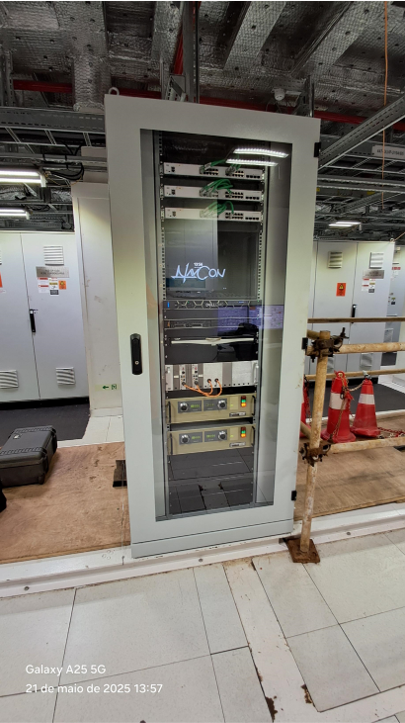
The WCT Interface is a portable solution developed to test and validate the SCM-COMP before subsea installation, serving as a compact version of the SCS. It enables practical and reliable verification of communication and energization of the system, ensuring performance, reducing risks and enabling efficient commissioning process.

SAS-HID - Hydroacoustic Signal Acquisition System
Well Monitoring
SAS-HID is a monitoring system for abandoned wells developed by NAVCON in conjunction with PETROBRAS. The system is capable of monitoring well sensors, such as pressure and temperature, and generating alarms when necessary.


Real-time alarms
Alarms can be communicated to the company in real time by sending a floating unit to the sea surface, which communicates via satellite. The system was developed to operate continuously for up to 5 years, reducing ROV (remotely operated vehicle) inspections in the well.

MODA - Direct Optical Monitoring of the Wire
Integrity Monitoring
MODA is a system focused on the continuous monitoring of the integrity of flexible risers in offshore operations, helping to reduce maintenance costs and increase the reliability of operations. By allowing a more precise view of structural conditions, it directly contributes to safer and more assertive decisions.

Fault Detection
Its operation uses fiber optic sensors to detect changes in the mechanical behavior of the traction wires. These changes can indicate wear or failures that develop over time due to factors such as high stress and harsh environmental conditions. With real-time monitoring, it is possible to predict problems and prevent critical failures that could impact operations and the environment.
MSU - Motion Sensing Unit
Motion Measurement
The Motion Sensing Unit (MSU) is a system developed for applications in marine environments, capable of measuring the movements of platforms and vessels with high precision. Using advanced inertial sensors, it provides reliable data even at great depths, directly contributing to the safety and efficiency of offshore operations.


Versatility of Applications
With its cutting-edge technology and robust design, the MSU is an essential tool for companies seeking precision and reliability in their maritime operations. Furthermore, the system is also ideal for monitoring helidecks, enabling safe and precise aircraft landings and takeoffs on offshore platforms.
NAVCON is committed to providing cutting-edge technology to its customers, and the MSU is further proof of this. With its advanced measurement capabilities and reliability, this product is an innovative and effective solution for companies operating in challenging marine environments.
SMET - Torpedo Piles Monitoring System

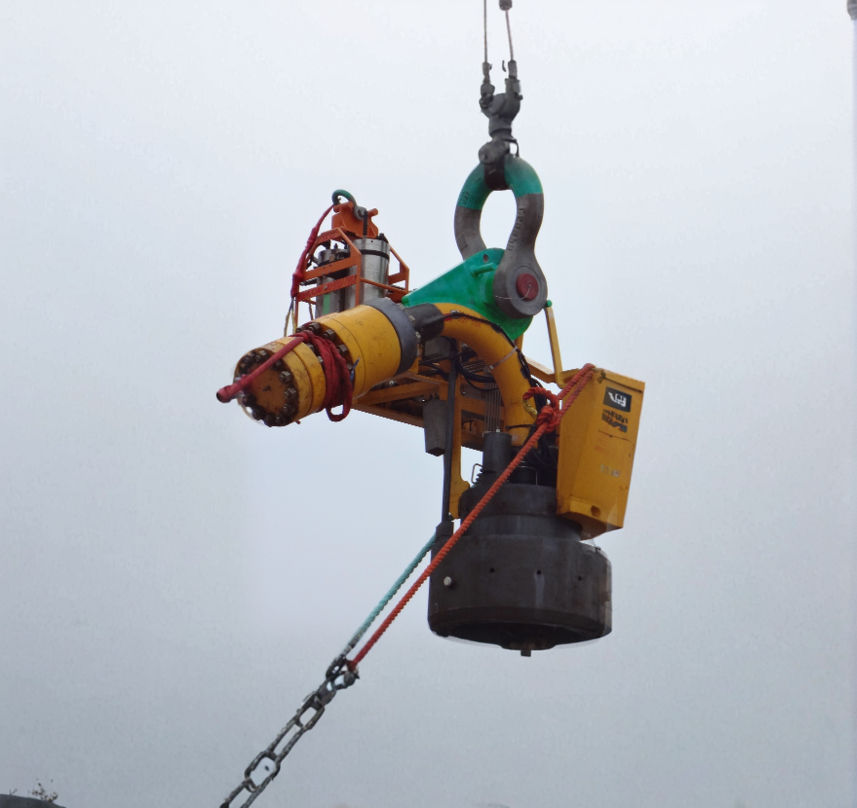
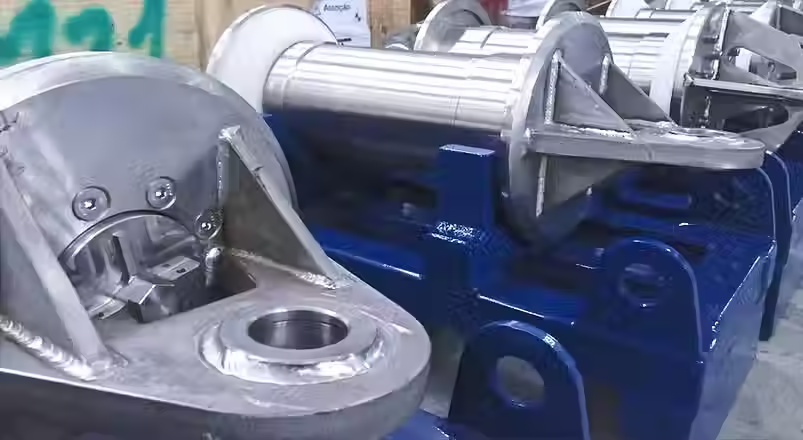
Torpedo piles are used as anchor points for floating structures such as FPSOs, SPM buoys, etc. This is the most widely used mooring method in Brazil and consists of launching the torpedo pile from a predefined height on the seabed so that it penetrates the soil. The Torpedo Pile Monitoring System (SMET) is used to monitor the speed and final angle of the torpedo pile, which are crucial information for this mooring method.
Critical Data Monitoring
The Torpedo Pile Monitoring System (SMET) acquires critical data for launching torpedo piles, such as speed, impact velocity, drilling depth, and the final angle of the pile during its installation, providing essential data to ensure the accuracy and reliability of the tie-in method.
Subsea Observatory
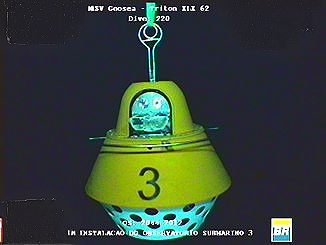
Continuous Underwater Monitoring
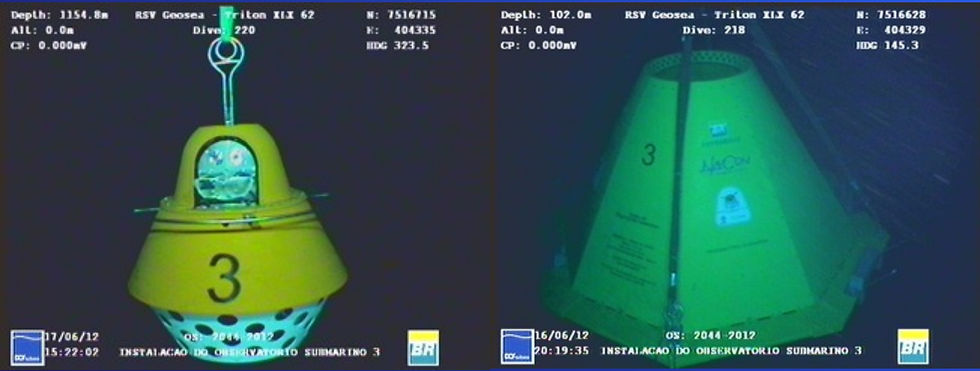
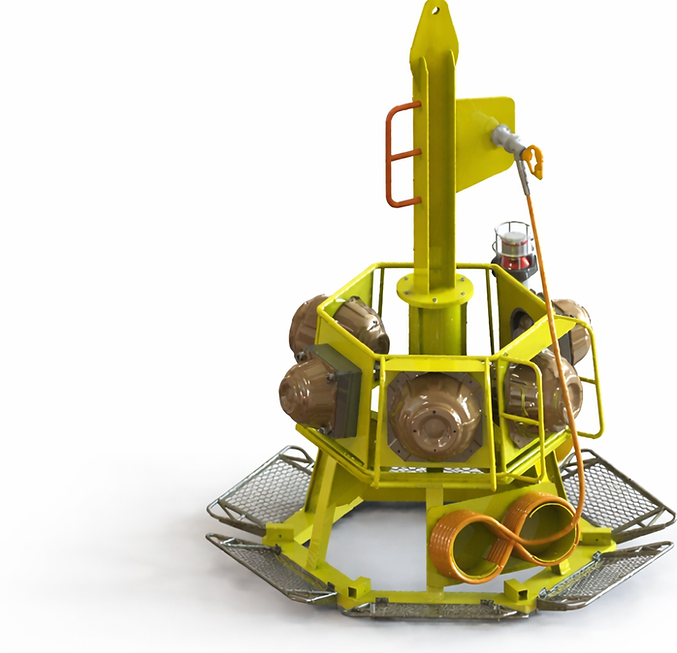
The Subsea Observatory is a subsea platform developed for applications requiring continuous and reliable monitoring in the offshore environment. Installed directly on the seabed, the system acquires data at the point of interest over extended periods, allowing for precise tracking of environmental and operational variables.
Hydrocarbon Detection
Designed for critical operations, the system has been successfully applied to hydrocarbon monitoring, allowing for the identification of variations and potential leaks over time. Its autonomous operation ensures continuous data collection, increasing the safety and reliability of field analyses.

Extended Autonomous Operation
With its ability to operate independently, the Subsea Observatory can remain installed for extended periods without intervention, performing continuous monitoring with high data integrity. This feature reduces the need for frequent inspections and optimizes operational costs in subsea environments.
SMEES - Monitoring of Stresses in Subsea Structures
SMEES is an advanced NAVCON solution for monitoring stress on subsea structures, combining precision, autonomy, and robustness to ensure the integrity and safety of critical assets in offshore environments.

The SMEES was developed to deliver highly accurate stress measurements on critical structures, such as goosenecks, even in the harshest underwater environments. Using highly reliable electrical strain gauges, the system is capable of operating at depths of up to 3000 meters, ensuring consistent performance and reliable data where structural integrity is essential.
Precise Monitoring in Extreme Environments
Designed for maximum operational efficiency, the SMEES features an autonomous architecture powered by internal batteries, eliminating the need for constant interventions. Its ability to connect to multiple sensors allows for simultaneous monitoring of different points in the structure, providing a complete and detailed view of structural behavior over time.
Embedded Intelligence and Autonomous Operation
By continuously recording variations in stress and strain, SMES enables the early detection of anomalies, reducing risks and preventing catastrophic failures. With reliable, high-resolution data, operators and engineers gain strategic support for quick and assertive decisions, raising safety and efficiency standards in offshore operations.
Structural Safety and Proactive Decision Making
RRMS - Rigid Riser Monitoring System
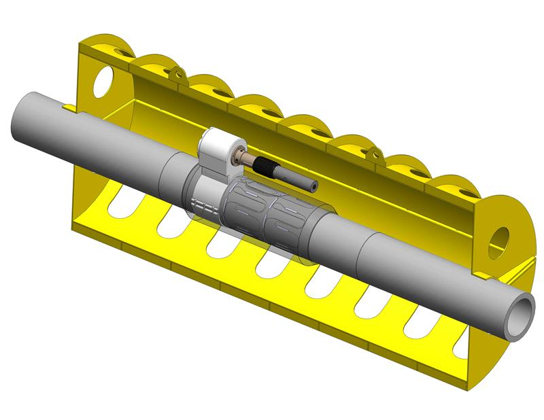
The Rigid Riser Monitoring System (RRMS) is a high-tech solution developed by NAVCON for the continuous monitoring of the structural integrity of rigid risers. Using fiber optic sensors (FBG - Fiber Bragg Grating), the system is capable of providing critical data in real time, ensuring operational safety in critical environments.
With a robust configuration of 40 integrated sensors , the RRMS simultaneously monitors voltage and temperature variables, enabling precise analysis of the asset's behavior under dynamic ocean conditions.
Precision and FBG Technology
The application of Fiber Bragg Grating (FBG) technology gives RRMS unparalleled accuracy and complete immunity to electromagnetic interference.
The system processes complex data to determine with accuracy:
Axial Stress: Monitoring vertical load to prevent structural failures.
Bending Moment: Identification of bending stresses that affect the riser's service life.
External Temperature: Continuous thermal reading for data compensation and environmental analysis.
Safety and Operational Continuity
RRMS is a strategic tool for operators seeking to maximize the availability of their assets and mitigate environmental risks. By providing continuous and accurate monitoring, the system enables a transition from a reactive maintenance model to a data-driven strategy, essential for long-term integrity management.